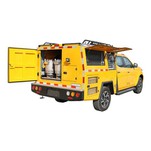

In industrial production, construction, or emergency rescue scenarios, a stable and efficient gasoline-powered hydraulic power unit often serves as the critical equipment ensuring smooth operations. As core providers of such equipment, manufacturers of gasoline hydraulic power units must not only master the integration of hydraulic systems and power technologies but also address the customized requirements of diverse operational environments. This article analyzes the developmental logic and inherent value of this field through three key dimensions: technical principles, industry characteristics, and selection criteria.
Technical Principles: The Precise Synergy of Power and Hydraulics
The core function of a gasoline hydraulic power unit is to drive a hydraulic pump via a gasoline engine, converting mechanical energy into hydraulic energy to power hydraulic tools (such as hydraulic cutters, jacks, etc.). This process involves two critical technologies: engine efficiency optimization and hydraulic system stability control. Manufacturers must adjust engine power output according to varying operating conditions; for instance, in wilderness rescue scenarios, the equipment must start rapidly in low-temperature environments and deliver high instantaneous torque, whereas in industrial settings requiring continuous operation, the focus shifts to balancing fuel consumption with power endurance. The stability of the hydraulic system depends on sealing technology, oil circuit design, and pressure regulation capabilities; high-quality manufacturers employ high-precision pressure sensors and dynamic compensation algorithms to ensure output pressure fluctuations remain within ±2%, thereby preventing tool damage or operational interruptions caused by power instability.
Industry Characteristics: A Trend from Standardization to Scenario-Specific Customization
Early gasoline hydraulic power units were predominantly standardized products, with manufacturers meeting basic market demands through uniform specifications. However, as application scenarios have become increasingly segmented, the industry has gradually transitioned toward scenario-specific customization. For example, the field of fire and rescue requires equipment with explosion-proof certification and rapid deployment capabilities; manufacturers address this by adopting lightweight designs (total unit weight ≤ 50 kg) and integrating one-touch start functions. Conversely, in mining operations, where equipment must withstand high-dust environments, manufacturers reinforce air intake filtration systems and sealing structures-even applying anti-corrosion coatings to extend service life. Furthermore, tightening environmental regulations have driven manufacturers to develop low-emission technologies; some products have already obtained certification under the China VI emission standards, achieving a fuel consumption rate reduction of over 15% compared to traditional models.
Selection Criteria: Three Dimensions for Evaluating Manufacturer Capabilities
For procurement professionals, how does one go about selecting a reliable partner from among the multitude of manufacturers available? Particular attention should be paid to the following dimensions: Investment in R&D-high-quality manufacturers typically possess independent hydraulic laboratories and engine testing platforms, enabling them to validate product reliability by simulating extreme operating conditions; Supply Chain Management Capabilities-the stability of suppliers for core components (such as hydraulic pumps and engines) directly impacts equipment lifespan; leading manufacturers therefore establish long-term partnerships with globally renowned component manufacturers; and After-sales Service Networks-since hydraulic equipment malfunctions can bring operations to a standstill, manufacturers must strategically position service stations nationwide to provide 24-hour response and rapid spare-part replacement services. According to industry research, manufacturers possessing these capabilities achieve an average Mean Time Between Failures (MTBF) of over 3,000 hours-a figure significantly higher than the industry average.
From technological breakthroughs to application-specific adaptations, and from product iterations to service enhancements, the developmental trajectory of gasoline-powered hydraulic power station manufacturers mirrors the broader evolutionary logic of the industrial equipment sector. For end-users, understanding these technical details and industry trends not only enhances the soundness of procurement decisions but also provides a long-term guarantee for operational safety and efficiency. If you are currently seeking a reliable equipment supplier, we recommend conducting a comprehensive evaluation based on three key criteria-technical prowess, practical application experience, and after-sales support-to ensure that a professional manufacturer becomes the dependable "power backbone" of your operations.