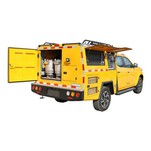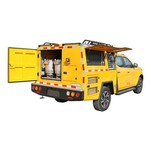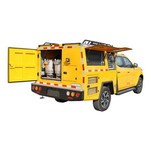

The engineering emergency response vehicle is a specialized vehicle powered by an automotive engine; by driving an onboard generator and air compressor, it provides essential power and pneumatic sources to emergency repair sites. Its fully sealed compartment is constructed from cold-rolled steel plates and is equipped with a suite of tools-including submersible pumps, electric winches, and cutting tools-to meet the operational demands of 12 distinct industry scenarios, such as flood control, drainage, and gas utility emergencies. This vehicle model is capable of navigating complex road conditions and, in special circumstances-such as traffic control periods during the National College Entrance Examination-enjoys the same right-of-way privileges as police cars and ambulances.
Functionally, engineering emergency response vehicles can be categorized into types such as general emergency response vehicles, power utility repair vehicles, and emergency rescue fire trucks; in terms of payload capacity, they are classified as either light-duty or heavy-duty. New energy models-such as the Aumark Zhilan ES1-utilize pure electric drive technology, while advancements in intelligent capabilities focus on the integrated application of automated equipment (such as drainage robots) and the upgrading of communication systems.