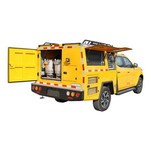

Core Performance of the Drainage Robot
The drainage robot serves as an invaluable tool for combating urban flooding; its performance parameters directly determine its operational efficiency. This type of equipment typically possesses a water-handling capacity of 30 to 50 cubic meters per hour, with a maximum lift of up to 15 meters, enabling it to adapt to flooded environments of varying depths. The unit features a lightweight design, weighing approximately 80 kilograms, which facilitates easy transport and deployment. During operation, noise levels are maintained below 75 decibels, making the device suitable for use at night or in residential areas.
Key Specifications of the Fuel System
The power system is driven by a diesel engine; the use of No. 0 diesel fuel is recommended. The fuel tank has a capacity of 15 liters, supporting 6 to 8 hours of continuous operation. The fuel system is designed with a strong emphasis on economic efficiency, consuming approximately 2 liters of fuel per hour-a performance metric that stands out favorably among comparable products. The fuel tank's placement has been optimized to allow for quick and convenient refueling; additionally, it is equipped with a fuel level monitoring function to prevent operational interruptions.
Usage and Maintenance Recommendations
To ensure the equipment's long-term stability and reliable operation, it is recommended that the engine oil and filters be replaced every 50 hours of operation. When storing the unit, the fuel system should be drained to prevent fuel degradation. The drainage hoses and seals should be inspected regularly, and any worn components replaced promptly. During operation, care should be taken to avoid large debris to prevent the intake port from becoming clogged. For winter use, antifreeze should be added to ensure proper engine starting and operation in low-temperature environments.