

As a supplier of rescue robots, I am often asked about the security features of these remarkable machines. Rescue robots are designed to operate in some of the most dangerous and challenging environments, such as disaster - stricken areas, industrial accidents, and hazardous waste sites. Ensuring their security is not only crucial for the successful execution of rescue missions but also for the safety of the operators and the surrounding environment.
Physical Protection
One of the fundamental security features of rescue robots is their physical protection. These robots are built with robust and durable materials to withstand harsh conditions. For example, the outer casing is usually made of high - strength alloys or composites that can resist impacts, abrasions, and extreme temperatures. This protects the internal components of the robot from damage, ensuring its continued operation even in the face of debris, falling objects, or rough terrain.
Some rescue robots are also equipped with protective shields or guards around sensitive parts, such as sensors and cameras. These shields prevent direct contact with sharp objects or chemicals, which could otherwise damage the equipment and compromise the robot's functionality.
Sensor Safety
Sensors play a vital role in the operation of rescue robots. They are used to detect obstacles, measure environmental conditions, and locate survivors. To ensure the security of these sensors, they are often designed with redundant systems. For instance, a robot may have multiple proximity sensors that work independently. If one sensor fails, the others can still provide the necessary data for the robot to navigate safely.
In addition, sensors are calibrated regularly to maintain their accuracy. This is especially important in rescue operations where precise information is crucial. For example, gas sensors need to accurately detect the presence and concentration of harmful gases in the environment. Any inaccuracy could lead to false readings, putting the operators and the mission at risk.
Communication Security
Rescue robots rely on communication systems to transmit data and receive commands from the operators. To ensure the security of these communication channels, encryption techniques are used. Encryption scrambles the data so that it can only be decrypted by authorized parties. This prevents unauthorized access to the robot's control system and the data it collects.
Moreover, the communication systems are designed to be resilient to interference. In disaster - stricken areas, there may be a lot of electromagnetic noise that can disrupt the communication. Rescue robots are equipped with advanced signal processing algorithms to filter out the noise and maintain a stable connection.
Autonomous Safety Features
Many rescue robots are capable of autonomous operation. This means they can make decisions and perform tasks without direct human intervention. To ensure the safety of autonomous operation, these robots are programmed with a set of safety rules. For example, they are designed to avoid collisions with obstacles, even if the operator is not actively controlling them.

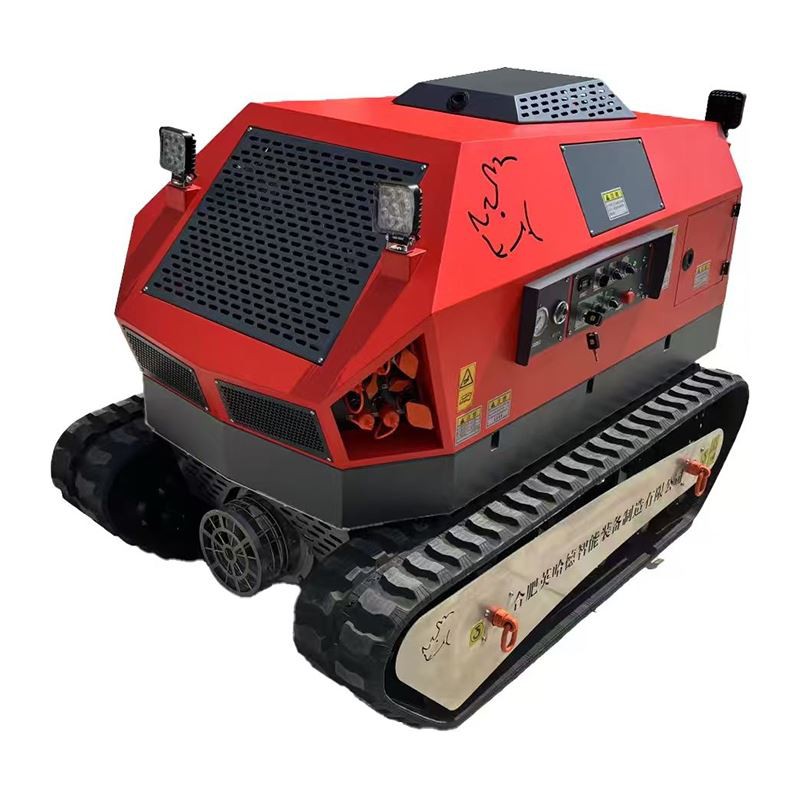
Some robots also have self - diagnostic capabilities. They can continuously monitor their own systems and detect any signs of malfunction. If a problem is detected, the robot can take appropriate actions, such as stopping the operation or sending an alert to the operator.
Emergency Stop and Remote Shutdown
In case of an emergency, rescue robots are equipped with an emergency stop button. This button can be pressed manually by the operator to immediately halt the robot's operation. Additionally, most rescue robots support remote shutdown. This allows the operator to stop the robot from a safe distance if it is in a dangerous situation or if it malfunctions.
Battery and Power Management
Battery safety is another important aspect of rescue robot security. The batteries used in these robots are designed to be stable and reliable. They are equipped with over - charge and over - discharge protection circuits to prevent damage to the battery and ensure its long - term performance.
Power management systems are also in place to optimize the energy consumption of the robot. This ensures that the robot can operate for an extended period without running out of power. In some cases, the robot can even recharge itself automatically if it is equipped with a charging station.
Safety in Different Types of Rescue Robots
Let's take a look at some specific types of rescue robots and their security features.
Drainage Robots
Drainage robots are used to remove water from flooded areas. These robots need to operate in wet and potentially hazardous environments. The Drainage Robot is designed with waterproof and corrosion - resistant materials to protect its internal components. It also has sensors to detect the water level and flow rate, ensuring that it operates efficiently and safely.
There are different power sources for drainage robots. The Diesel - Powered Drainage Robot offers high - power performance, but it also has safety features to prevent fuel leaks and engine malfunctions. The Gasoline - Powered Drainage Robot is another option, and it is designed with similar safety measures to ensure reliable operation.
Conclusion
The security features of rescue robots are essential for their successful operation in challenging environments. From physical protection to communication security, each aspect is carefully designed to ensure the safety of the robot, the operators, and the mission. As a supplier of rescue robots, we are committed to providing high - quality products with the latest security technologies.
If you are interested in purchasing rescue robots for your rescue operations, we invite you to contact us for a detailed discussion. Our team of experts can help you choose the right robot based on your specific needs and requirements. We look forward to working with you to enhance the safety and efficiency of your rescue missions.
References
- Smith, J. (2020). "Advances in Rescue Robot Technology". Journal of Robotics and Automation.
- Johnson, A. (2021). "Safety Considerations in the Design of Rescue Robots". International Journal of Disaster Response.


