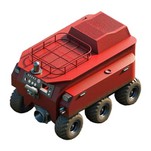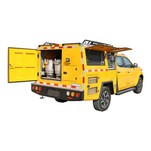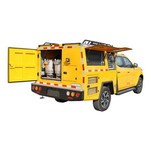

The emergency drainage vehicle is a specialized vehicle designed specifically for scenarios such as engineering emergency repairs, municipal rescue operations, and flood control and drainage. By integrating functional modules for drainage, power generation, and lighting, it enables a rapid response to sudden water accumulation, urban flooding, and similar disasters. Its core value lies in integrating various rescue devices onto a mobile platform, thereby enhancing operational efficiency and safety in emergency situations.
Technical Composition and Core Functions
The core of the emergency drainage vehicle consists of four main systems: power, drainage, power generation, and lighting. The power system typically utilizes a diesel engine (e.g., with a rated power of 105 kW) to provide propulsion for the vehicle and power for equipment operation. The drainage system employs vehicle-mounted water pumps (with flow rates and lift capacities varying by model configuration) to pump accumulated water to designated areas, boasting a drainage capacity of up to several hundred cubic meters per hour. The power generation system is equipped with a diesel generator set, capable of providing an independent power supply for on-site equipment (such as water pumps and lighting fixtures). Finally, the lighting system features a high-brightness, retractable light tower with a coverage radius of up to several hundred meters, effectively meeting the illumination requirements for night-time operations.
Design Features and Applicable Scenarios
The vehicle's design strikes a balance between mobility and functionality. Taking a "blue-plate" light-duty truck chassis as an example, the vehicle features compact exterior dimensions (approximately 5,660 mm in length), allowing it to maneuver flexibly through urban streets. It has a rated passenger capacity of five (including the driver) and a payload capacity of 3,295 kg, satisfying the requirements for transporting both personnel and equipment. With a top speed of 80 km/h, it can reach rescue sites rapidly. Applicable scenarios include: urban flood drainage, pumping water from flooded underground garages, providing on-site power for engineering emergency repairs, and providing illumination for night-time rescue operations. Furthermore, the vehicle supports customization; equipment configurations (such as the addition of hydraulic systems, tool cabinets, etc.) can be adjusted to meet specific operational needs.
Operational Guidelines and Safety Precautions
Prior to use, operators must check the engine oil level, the integrity of the water pump seals, and the insulation of electrical cables. During operations, the vehicle must be parked on flat, firm ground; the hazard lights should be activated, and warning signs must be deployed. Drainage pipelines must be connected securely to prevent leaks or disconnections. When the power generation equipment is running, adequate ventilation must be maintained to prevent the accumulation of carbon monoxide. Finally, the retractable light tower should be raised or lowered only under windless or light-breeze conditions to prevent tipping. During prolonged periods of inactivity, the engine must be started and the equipment operated periodically to prevent component corrosion or aging.
Technical Advantages and Practical Performance
Compared to traditional, decentralized rescue equipment, emergency drainage vehicles significantly enhance operational efficiency through modular integration. For instance, a single vehicle can simultaneously execute drainage, power supply, and lighting tasks, thereby reducing the number of personnel and pieces of equipment required on-site. The diesel power system demonstrates strong adaptability, enabling continuous operation even in the absence of external power sources or during interruptions in fuel supply. Furthermore, the light-duty pickup truck chassis complies with urban road traffic regulations, allowing the vehicle to enter restricted zones without the need for special permits. In practical applications, these vehicles have demonstrated outstanding performance in scenarios involving heavy rain-induced urban flooding and tunnel inundation; they can rapidly lower water levels at the scene, thereby gaining critical time for subsequent emergency repair operations.