

Hey there! As a supplier of Drainage Robots, I'm super excited to dive into the topic of what powers these amazing machines. So, let's get right into it.
The Basics of Drainage Robots
First off, what exactly is a Drainage Robot? Well, it's a cool piece of tech designed to handle all sorts of drainage - related tasks. Whether it's cleaning up clogged pipes, dealing with floodwaters, or just monitoring the drainage systems, these robots are up for the job. You can learn more about them on our Drainage Robot page.
Power Sources for Drainage Robots
Now, let's talk about the power sources. There are a few different options out there, and each has its own pros and cons.
Batteries
One of the most common power sources for drainage robots is batteries. Batteries are great because they're portable and can provide a decent amount of power. We have a Lithium - Battery - Powered Intelligent Drainage Robot that uses lithium batteries. Lithium batteries are known for their high energy density, which means they can store a lot of energy in a relatively small space. This is really important for drainage robots, as they need to be able to operate for extended periods without having to stop and recharge.
The advantage of using batteries is that they're easy to replace. If the battery runs out, you can simply swap it out for a fully - charged one and keep the robot going. However, the downside is that the battery life can be limited. Depending on the size of the battery and the power requirements of the robot, you might need to recharge or replace the battery every few hours.
Wired Power
Another option is to use a wired power source. This involves connecting the robot to an external power supply through a cable. The main advantage of wired power is that you don't have to worry about battery life. As long as the power supply is working, the robot can keep operating.
However, there are some drawbacks to using a wired power source. The cable can be a bit of a hassle, as it can get in the way and limit the robot's mobility. Also, if the cable gets damaged, it can disrupt the power supply and stop the robot from working.
Fuel Cells
Fuel cells are another emerging power source for drainage robots. A fuel cell works by converting chemical energy into electrical energy. They can provide a continuous supply of power and are more efficient than traditional batteries in some cases.
The advantage of fuel cells is that they can operate for longer periods without refueling compared to batteries. However, they're still relatively expensive and not as widely available as batteries.
How the Power Source Affects the Robot's Performance
The power source you choose can have a big impact on the performance of the drainage robot. For example, if you choose a battery - powered robot, you need to make sure that the battery has enough capacity to handle the tasks you want the robot to perform. If the battery runs out too quickly, the robot won't be able to complete its job.
On the other hand, if you choose a wired - powered robot, you need to consider the length of the cable and the location of the power supply. You don't want the cable to limit the robot's movement or cause any safety hazards.
Real - World Applications
Let's take a look at some real - world applications of drainage robots and how the power source plays a role.
Flood Relief
In flood - prone areas, drainage robots can be used to quickly remove water and prevent further damage. A battery - powered robot might be a good choice in this situation, as it can be easily transported to the affected area and start working right away. However, if the flood is expected to last for a long time, a wired - powered or fuel - cell - powered robot might be more suitable, as they can provide a continuous supply of power.
Pipe Cleaning
When it comes to cleaning clogged pipes, a drainage robot needs to be able to maneuver through tight spaces. A battery - powered robot is often a good option here, as it doesn't have a cable to get in the way. However, if the pipe is very long, a wired - powered robot might be better, as it can provide a more stable power supply.
Our Amphibious Special Duty Robot
We also have an Amphibious Special Duty Robot that can operate both on land and in water. This robot uses a combination of battery power and a backup power system to ensure that it can handle any situation. The battery provides the main source of power, while the backup system kicks in if the battery runs out or there's a problem with the power supply.
Why Choose Our Drainage Robots
Our drainage robots are designed with the latest technology and high - quality components. We offer a range of power options to suit different needs and applications. Whether you need a battery - powered robot for quick and easy operation or a wired - powered robot for long - term use, we've got you covered.
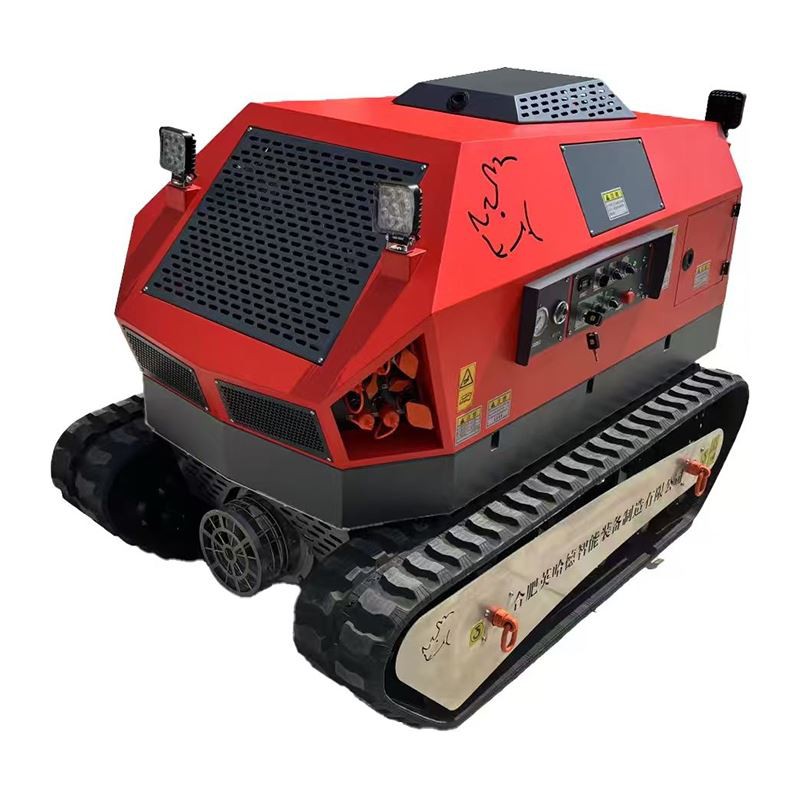
If you're interested in purchasing a drainage robot for your business or project, we'd love to have a chat with you. We can help you choose the right power source and the right robot for your specific needs. Just reach out to us, and we'll be happy to assist you in the procurement process.
References
- Engineering textbooks on robotics and power systems
- Industry reports on drainage robot technology
So, that's all about the power source of a drainage robot. If you have any questions or want to learn more, don't hesitate to get in touch. We're here to help you make the best decision for your drainage needs.


