

Hey there! As a supplier of Diesel-Powered Drainage Robots, I've seen firsthand how these machines can be a game-changer in various drainage scenarios. But like any powerful equipment, using them safely is super important. So, let's dive into the safety precautions you need to keep in mind when using a diesel-powered drainage robot.
Pre - Use Checks
Before you even fire up the diesel-powered drainage robot, there are a bunch of things you need to check. First off, take a good look at the physical condition of the robot. Check for any visible damage to the body, hoses, or any other components. A small crack in a hose could lead to leaks, which not only waste fuel but can also be a safety hazard.
Inspect the diesel fuel tank. Make sure it's filled to an appropriate level, but don't overfill it. Overfilling can cause fuel to spill, which is not only a waste but can also create a fire risk. Also, check for any signs of fuel leakage around the tank or the fuel lines. If you notice any leaks, don't use the robot until the issue is fixed.
The engine oil level is another crucial thing to check. Low oil levels can cause the engine to overheat and eventually break down. You don't want that happening in the middle of a drainage job. Just follow the manufacturer's instructions on how to check the oil level correctly.
The battery is also an important part of the robot. Check its charge level. A dead battery means the robot won't start or might stop working unexpectedly. And make sure the battery connections are clean and tight. Loose connections can cause electrical problems and even pose a risk of short - circuits.
Operating Environment
The environment where you use the diesel - powered drainage robot matters a lot. First, make sure the area is well - ventilated. Diesel engines produce exhaust fumes that contain harmful substances like carbon monoxide. In a poorly ventilated area, these fumes can build up to dangerous levels, which can be life - threatening. So, if you're using the robot indoors or in a confined space, use proper ventilation systems like fans to keep the air flowing.
Be aware of the terrain. The drainage robot is designed to work on various terrains, but some might be too rough or unstable. Avoid using the robot on steep slopes or areas with soft ground that could cause it to tip over. If you need to use it on uneven ground, make sure to take extra precautions and use stabilizing equipment if necessary.
Keep the robot away from flammable materials. Diesel is a flammable fuel, and any spark or heat from the engine could ignite nearby flammable substances. So, clear the area around the robot of any dry leaves, paper, or other combustible materials.
Operator Training
It's essential that anyone operating the diesel - powered drainage robot has proper training. Operating these machines is not as simple as just turning them on and off. The operator needs to understand how the controls work, how to start and stop the engine safely, and how to troubleshoot basic problems.
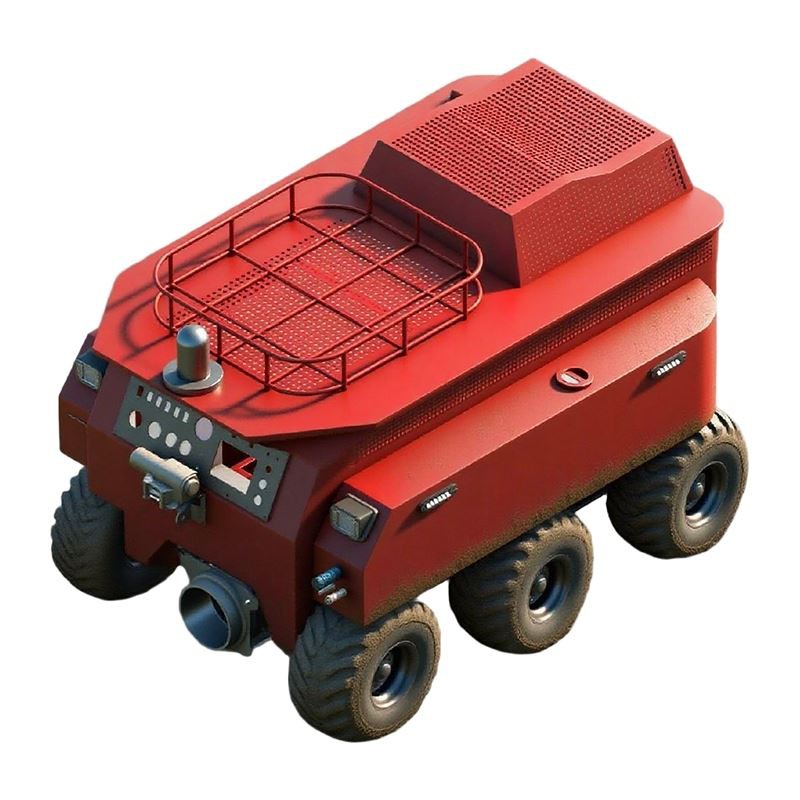
Training should cover topics like how to read the instrument panel, which shows important information like engine temperature, fuel level, and battery charge. The operator should also know how to operate the drainage function correctly, including how to adjust the flow rate and direction of the water.
Make sure the operator is familiar with the emergency stop button. In case of an emergency, they should be able to quickly stop the robot to prevent any further damage or danger.
During Operation
While the robot is running, there are several things to keep in mind. First, don't leave the robot unattended. Even if it seems to be working fine, unexpected problems can occur. Always stay close to the robot and keep an eye on its operation.
Listen to the engine. If you hear any strange noises, it could be a sign of a problem. For example, a knocking sound could indicate an issue with the engine's internal components. If you notice any abnormal noises, stop the robot immediately and check for the cause.
Monitor the engine temperature. Diesel engines can get very hot, and overheating can cause serious damage. If the temperature gauge shows that the engine is overheating, stop the robot and let it cool down before continuing.
Be careful when handling the hoses. The water flowing through the hoses can be under high pressure. Make sure the hoses are properly connected and secured. If a hose comes loose, it can cause water to spray everywhere, which can be dangerous and also disrupt the drainage process.

Post - Operation
Once the job is done, there are still some safety precautions to take. First, turn off the engine properly. Follow the manufacturer's instructions on how to shut down the engine. This usually involves letting the engine idle for a few minutes to cool down before turning it off completely.
After the engine is off, disconnect the battery. This helps prevent any electrical problems and also reduces the risk of accidental starting.
Clean the robot. Remove any dirt, debris, or water from the robot's body and components. This not only helps keep the robot in good condition but also reduces the risk of corrosion.
Store the robot in a safe place. Make sure it's protected from the elements and away from any potential hazards. If possible, store it in a locked storage area to prevent unauthorized access.
Related Products
If you're interested in other types of drainage robots, we also offer Drainage Robot and Gasoline - Powered Drainage Robot. And for more specialized applications, our Amphibious Special Duty Robot might be just what you need.
If you're thinking about purchasing a diesel - powered drainage robot or any of our other products, we're here to help. We can provide you with more information, answer your questions, and assist you in finding the right product for your needs. Don't hesitate to reach out for a purchase consultation.
References
- Manufacturer's manual for the diesel - powered drainage robot.
- Safety guidelines for diesel engine operation.


