

In the realm of emergency management and response, Emergency Engineering Vehicles (EEVs) stand as indispensable assets. As a supplier of these specialized vehicles, I have witnessed firsthand the transformative impact they have on various emergency scenarios. This blog post aims to explore the numerous advantages of using an Emergency Engineering Vehicle, shedding light on their significance in safeguarding lives and property.
Versatility in Emergency Situations
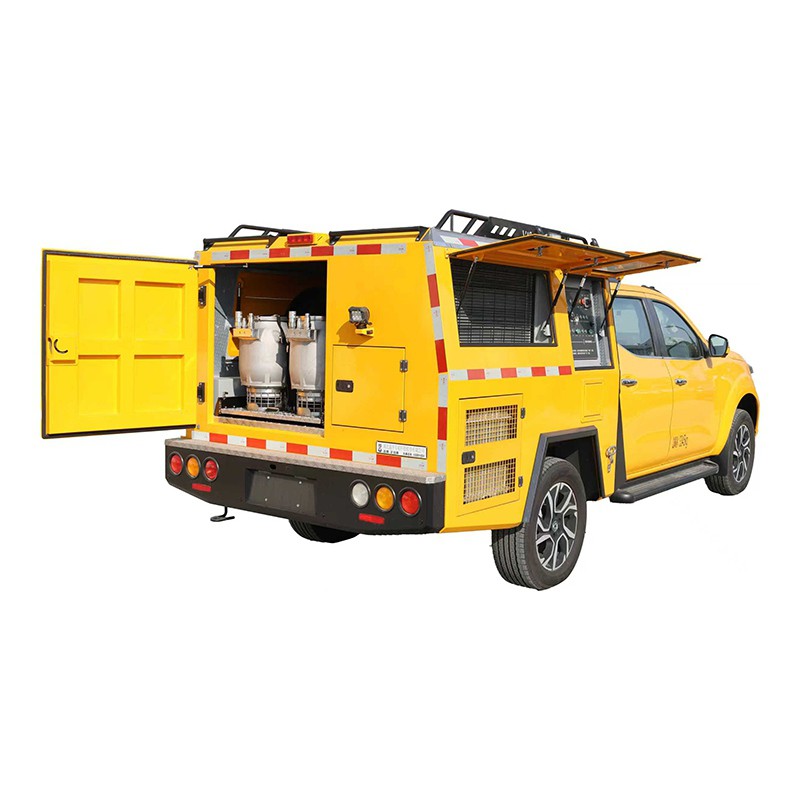
One of the primary advantages of EEVs is their remarkable versatility. These vehicles are designed to handle a wide range of emergencies, from natural disasters such as floods and earthquakes to man - made incidents like industrial accidents. For example, Drainage Rescue Vehicles are equipped with powerful pumps and hoses, capable of quickly removing large volumes of water during flood situations. This not only helps in preventing further damage to infrastructure but also reduces the risk of water - borne diseases.
In the case of earthquakes, Emergency Rescue Operation Vehicle can be used to transport rescue teams, equipment, and supplies to the affected areas. They are often fitted with advanced lifting and excavation tools, enabling rescuers to reach trapped victims in collapsed buildings. The flexibility of EEVs allows them to adapt to different emergency conditions, making them a valuable resource for emergency responders.
Rapid Response Capability
Time is of the essence in emergency situations, and EEVs are built to respond rapidly. These vehicles are designed for high - speed mobility, allowing them to reach the scene of an emergency quickly. Their compact design and powerful engines enable them to navigate through congested urban areas and rough terrains with ease. For instance, Large Drainage Rescue Truck can be deployed within minutes to flood - affected areas, minimizing the time between the onset of the emergency and the start of the rescue operation.
The rapid response capability of EEVs can significantly reduce the impact of an emergency. By arriving at the scene promptly, emergency responders can start providing immediate assistance, such as medical aid, water rescue, and debris removal. This can save lives and prevent further damage to property.
Specialized Equipment and Tools
EEVs are equipped with a wide range of specialized equipment and tools that are specifically designed for emergency situations. These include high - pressure water pumps, generators, lighting systems, and communication devices. The high - pressure water pumps can be used for firefighting, dewatering, and cleaning operations. Generators provide power to essential equipment, ensuring that emergency responders can operate in areas without access to electricity.
Lighting systems are crucial for night - time operations, allowing rescuers to work safely and effectively. Communication devices enable seamless communication between different teams on the ground and with the command center. The availability of these specialized tools enhances the effectiveness of emergency response operations and improves the chances of a successful outcome.
Enhanced Safety Features
Safety is a top priority in emergency response, and EEVs are designed with a variety of safety features. These vehicles are built to withstand harsh conditions and protect the occupants from potential hazards. They are equipped with reinforced frames, shock - absorbing systems, and advanced braking systems to ensure safe driving in challenging environments.
In addition, EEVs are often fitted with safety devices such as fire extinguishers, first - aid kits, and emergency exits. These features provide an extra layer of protection for the emergency responders, reducing the risk of injuries during rescue operations.
Cost - Effectiveness
While the initial investment in an EEV may be significant, these vehicles offer long - term cost - effectiveness. By providing rapid response and effective emergency management, EEVs can help reduce the overall cost of an emergency. For example, by quickly removing water from flood - affected areas, the damage to buildings and infrastructure can be minimized, resulting in lower repair costs.
Moreover, EEVs can be used for multiple purposes, which means that a single vehicle can replace several specialized vehicles. This reduces the need for a large fleet of vehicles, saving on maintenance, fuel, and personnel costs.
Training and Support
As a supplier of EEVs, we understand the importance of providing comprehensive training and support to our customers. We offer training programs for emergency responders on how to operate and maintain the vehicles effectively. Our training courses cover topics such as vehicle operation, equipment usage, and safety procedures.
In addition, we provide ongoing technical support to ensure that the vehicles are in optimal condition at all times. Our team of experts is available 24/7 to answer any questions and provide assistance in case of any issues.
Environmental Considerations
In today's world, environmental sustainability is a growing concern. EEVs are designed with environmental considerations in mind. Many of our vehicles are equipped with fuel - efficient engines and emission - control systems, reducing their carbon footprint.

In addition, the use of EEVs can help in minimizing the environmental impact of emergencies. For example, by quickly removing water from flood - affected areas, the spread of water - borne diseases can be prevented, and the damage to the ecosystem can be reduced.
Conclusion
In conclusion, the advantages of using an Emergency Engineering Vehicle are numerous. From their versatility and rapid response capability to their specialized equipment and safety features, EEVs play a crucial role in emergency management. As a supplier of these vehicles, we are committed to providing high - quality products and services to our customers.
If you are interested in purchasing an Emergency Engineering Vehicle for your emergency response team, we invite you to contact us for a detailed discussion. Our team of experts will be happy to assist you in selecting the right vehicle for your specific needs.
References
- Emergency Vehicle Technology Institute. (2023). Emergency Vehicle Design and Technology.
- National Fire Protection Association. (2022). Standards for Emergency Response Vehicles.
- International Association of Fire Chiefs. (2021). Best Practices for Emergency Vehicle Operations.


