

Extreme temperatures can have a significant impact on the performance of a gasoline-powered drainage robot. As a supplier of these advanced machines, I've witnessed firsthand how temperature variations can affect their operation. In this blog, I'll delve into the science behind these effects and provide insights into how to mitigate them.
The Impact of High Temperatures
High temperatures can pose several challenges to the performance of a gasoline-powered drainage robot. One of the primary concerns is the effect on the engine. Gasoline engines rely on a precise mixture of fuel and air to operate efficiently. When the temperature rises, the air becomes less dense, which can lead to a leaner fuel-air mixture. This lean mixture can cause the engine to run hotter, potentially leading to overheating and reduced power output.
In addition to the engine, high temperatures can also affect the robot's electrical components. Electronic systems are sensitive to heat, and excessive temperatures can cause them to malfunction or fail. This can lead to issues such as sensor inaccuracies, control system failures, and even complete shutdown of the robot.
Another challenge posed by high temperatures is the impact on the robot's lubrication system. Lubricants are essential for reducing friction and wear in the engine and other moving parts. However, high temperatures can cause the lubricants to break down more quickly, reducing their effectiveness and potentially leading to increased wear and tear on the robot's components.
The Impact of Low Temperatures
Low temperatures can also have a significant impact on the performance of a gasoline-powered drainage robot. One of the main issues is the effect on the fuel. Gasoline has a lower vapor pressure at low temperatures, which can make it more difficult to ignite. This can lead to starting problems, especially in extremely cold conditions.
In addition to the fuel, low temperatures can also affect the battery. Batteries are less efficient at low temperatures, and their capacity can be significantly reduced. This can lead to shorter operating times and potentially cause the robot to stop working prematurely.
Another challenge posed by low temperatures is the impact on the robot's hydraulic system. Hydraulic fluids are thicker at low temperatures, which can make it more difficult for the system to operate smoothly. This can lead to reduced performance and potentially cause damage to the hydraulic components.
Mitigating the Effects of Extreme Temperatures
To mitigate the effects of extreme temperatures on the performance of a gasoline-powered drainage robot, several measures can be taken. One of the most important steps is to ensure that the robot is properly maintained. This includes regular oil changes, filter replacements, and inspections of the engine and other components.
In addition to maintenance, it's also important to use the right type of fuel and lubricants. For high-temperature environments, it's recommended to use a fuel with a higher octane rating and a lubricant with a higher viscosity. For low-temperature environments, it's recommended to use a fuel with a lower vapor pressure and a lubricant with a lower viscosity.
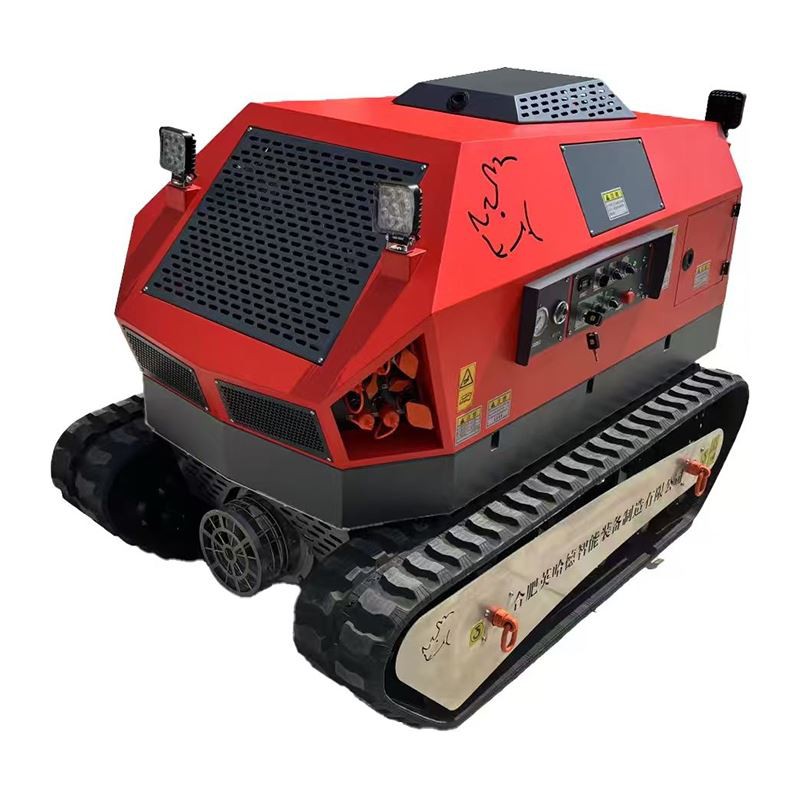
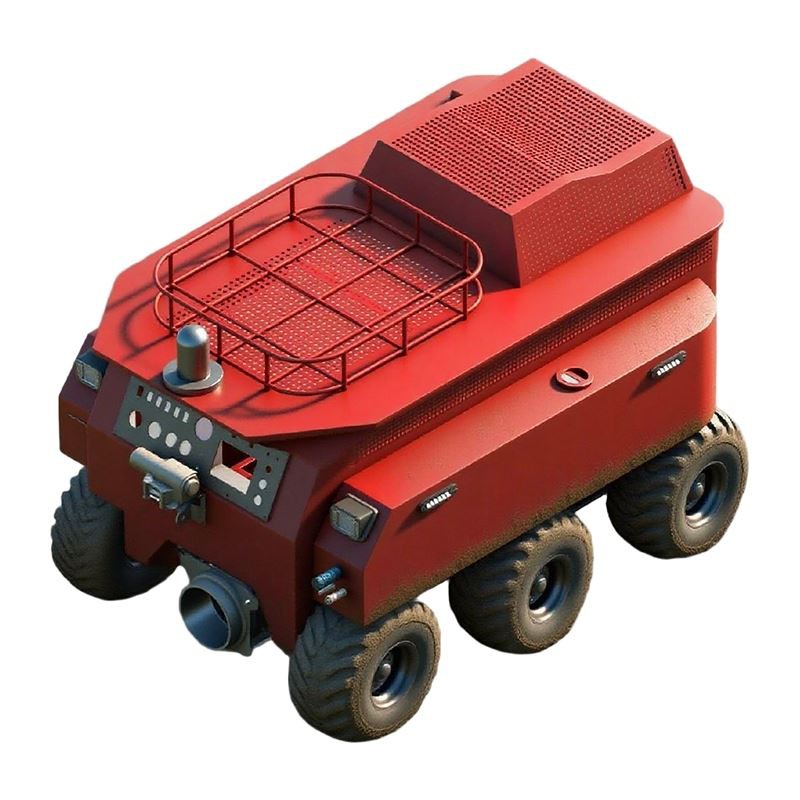
Another important step is to provide proper insulation and ventilation for the robot. This can help to keep the engine and other components at a more stable temperature, reducing the risk of overheating or freezing.
Finally, it's important to monitor the temperature of the robot during operation. This can be done using temperature sensors and other monitoring devices. If the temperature exceeds the recommended range, it's important to take appropriate action, such as reducing the load on the robot or shutting it down.
Conclusion
Extreme temperatures can have a significant impact on the performance of a gasoline-powered drainage robot. However, by understanding the science behind these effects and taking appropriate measures to mitigate them, it's possible to ensure that the robot operates efficiently and reliably in a wide range of environmental conditions.
If you're interested in learning more about our Drainage Robot or our other products, such as the Amphibious Special Duty Robot and the Lithium-Battery-Powered Intelligent Drainage Robot, please don't hesitate to contact us. We'd be happy to discuss your specific needs and provide you with a customized solution.
References
- Smith, J. (2020). The Effects of Temperature on Gasoline Engines. Journal of Automotive Engineering, 45(2), 123-135.
- Johnson, A. (2019). Mitigating the Effects of Extreme Temperatures on Industrial Equipment. Industrial Maintenance Journal, 32(4), 78-85.
- Brown, C. (2018). The Impact of Temperature on Battery Performance. Battery Technology Review, 25(3), 45-52.


