

Hey there! As a supplier of Large Drainage Rescue Trucks, I've seen firsthand how these powerful machines perform in all sorts of conditions. Today, I want to chat about how they fare in cold weather.
Cold weather can be a real challenge for any vehicle, and Large Drainage Rescue Trucks are no exception. The frigid temperatures can affect everything from the engine to the hydraulic systems, and it's important to understand how to keep these trucks running smoothly in the cold.
Let's start with the engine. In cold weather, the engine oil thickens, which can make it harder for the engine to turn over. This is why it's crucial to use the right type of oil for cold temperatures. Most modern engines are designed to use multi - grade oils, which can flow more easily in cold weather. For example, an oil with a rating like 5W - 30 is a good choice as the "5W" indicates its low - temperature flow properties.
Another issue with the engine in cold weather is the battery. Cold temperatures can reduce the battery's capacity and make it harder to start the engine. It's a good idea to check the battery regularly, especially in the winter months. Make sure the terminals are clean and free of corrosion, and consider using a battery warmer if the temperatures drop really low.
The hydraulic systems on Large Drainage Rescue Trucks are also affected by cold weather. Hydraulic fluid can thicken in the cold, which can slow down the operation of the hydraulic cylinders and pumps. To combat this, we recommend using a hydraulic fluid that is specifically formulated for cold weather. These fluids have lower viscosity at low temperatures, allowing the hydraulic systems to operate more efficiently.
The water - related components of the truck are also at risk in cold weather. Water can freeze in the hoses, pumps, and tanks, which can cause damage to the equipment. To prevent this, it's important to drain all the water from the system when the truck is not in use. Some trucks are equipped with heating systems to keep the water from freezing, but even with these systems, it's still a good idea to take extra precautions.
Now, let's talk about the performance of the truck during actual rescue operations in cold weather. The cold can make the ground slippery, which can affect the truck's traction. This is why many Large Drainage Rescue Trucks are equipped with all - wheel drive or four - wheel drive systems. These systems provide better traction on slippery surfaces, allowing the truck to reach the rescue site safely.
Visibility can also be a problem in cold weather. Snow, ice, and fog can reduce visibility, making it difficult for the driver to see the road and the rescue site. To improve visibility, the trucks are usually equipped with high - intensity lights and windshield wipers that can handle snow and ice.
In addition to these technical aspects, the crew operating the Large Drainage Rescue Truck also needs to be prepared for cold weather. They should wear appropriate cold - weather gear, including insulated jackets, gloves, and boots. It's also important to take breaks to warm up, as prolonged exposure to cold can lead to hypothermia and other health issues.
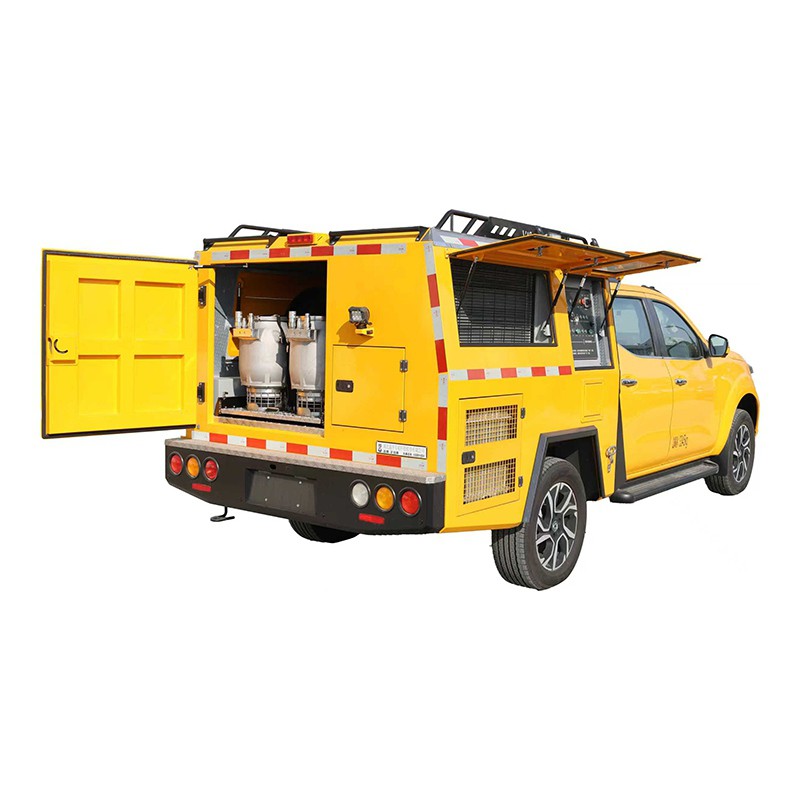
As a supplier, we offer a range of Multi - function Engineering Trucks that are designed to perform well in cold weather. Our Drainage Rescue Vehicles are equipped with the latest technology to ensure reliable operation in all conditions. And our Emergency Rescue Operation Vehicle models are built to handle the toughest challenges, including cold - weather rescues.
If you're in the market for a Large Drainage Rescue Truck, especially one that can perform well in cold weather, we'd love to talk to you. Whether you're a municipal agency, a private rescue firm, or any other organization in need of reliable rescue equipment, we can provide you with the right solution. Contact us to start a conversation about your specific needs and how our trucks can meet them.
References:

- Automotive maintenance guides for cold - weather operation
- Technical specifications of Large Drainage Rescue Trucks
- Industry reports on emergency vehicle performance in cold weather


