

Hey there! I'm a supplier of rescue robots, and I've seen firsthand how these amazing machines can save lives in some of the toughest situations. But one question that often comes up is, "How do rescue robots protect themselves from damage?" Well, let's dive into it.
1. Design and Materials
First off, the design and materials used in rescue robots play a huge role in their self - protection. We use high - strength materials like carbon fiber and titanium alloys. These materials are not only lightweight but also incredibly strong. For example, the frame of our Drainage Robot is made of carbon fiber. It can withstand impacts from debris in flood - prone areas without getting dented or broken easily.
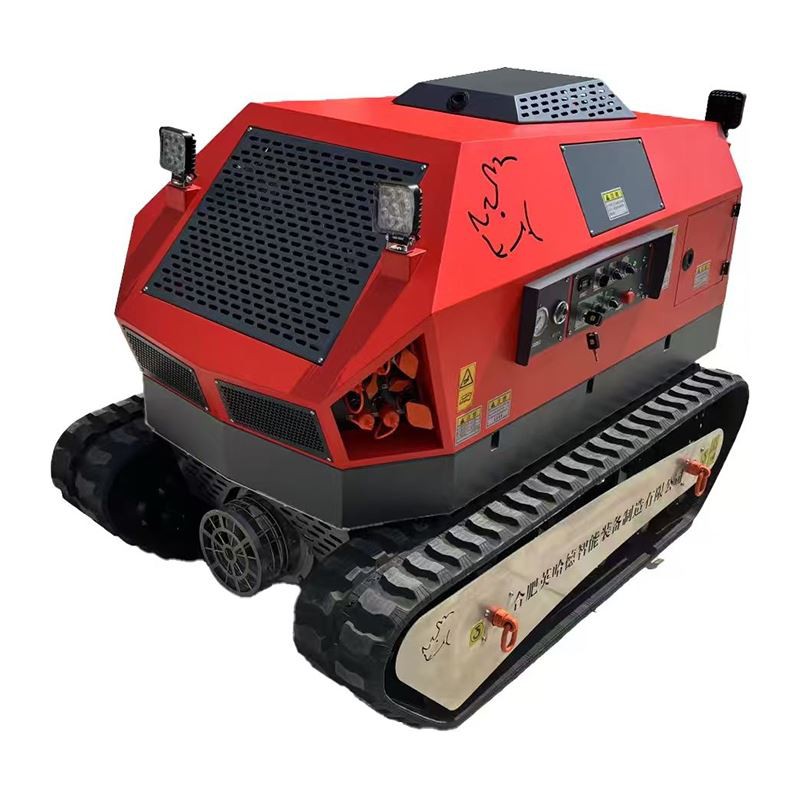

The shape of the robot is also carefully designed. Most of our rescue robots have a low - profile and rounded design. This helps them to roll over obstacles rather than getting stuck or damaged. Take our Crawler Special Duty Robot for instance. Its crawler tracks are designed to distribute the robot's weight evenly, reducing the pressure on any single point and minimizing the risk of damage when moving over rough terrain.
2. Sensors and Detection Systems
Rescue robots are equipped with a wide range of sensors to detect potential threats. There are ultrasonic sensors that can detect obstacles in front of the robot. These sensors send out high - frequency sound waves and measure the time it takes for the waves to bounce back. If an obstacle is detected, the robot can adjust its path to avoid a collision.
Infrared sensors are also used to detect heat sources. This is especially useful in fire - related rescue operations. The robot can sense the heat from a fire and stay at a safe distance, preventing itself from getting damaged by the intense heat. Our Lithium - Battery - Powered Intelligent Drainage Robot has a sophisticated sensor system that can detect water levels, temperature, and even the presence of harmful chemicals in the water.
3. Protective Covers and Shields
To add an extra layer of protection, we install protective covers and shields on our rescue robots. These covers are made of durable materials like rubber or plastic. They can absorb the impact of small objects and prevent them from hitting the sensitive components of the robot.
For example, on the front of our robots, we have a shock - absorbing shield. This shield can take the brunt of any impact from falling debris or collisions with other objects. It's like a bumper for the robot, protecting it from damage and ensuring that it can continue its mission.
4. Self - Repair and Maintenance Features
Some of our rescue robots are designed with self - repair features. For instance, they can detect minor damages to their electrical circuits and try to fix them automatically. If a wire gets loose, the robot can use its internal diagnostic system to identify the problem and re - connect the wire.
We also provide regular maintenance software updates for our robots. These updates can improve the robot's performance and also enhance its self - protection capabilities. By keeping the software up - to - date, the robot can adapt to new threats and protect itself more effectively.
5. Remote Monitoring and Control
As a supplier, we offer remote monitoring and control services for our rescue robots. This means that operators can keep an eye on the robot's status from a safe distance. If the robot encounters a problem or is at risk of damage, the operator can take immediate action.
For example, if the robot's sensors detect a high - risk situation, the operator can override the robot's automatic functions and guide it to a safer location. This real - time control helps to minimize the risk of damage to the robot.
6. Energy Management
Proper energy management is crucial for the self - protection of rescue robots. Our robots are designed to optimize their energy consumption. They have intelligent power management systems that can adjust the power output based on the task at hand.
For example, when the robot is moving slowly over rough terrain, it can reduce its power consumption to conserve energy. This not only extends the robot's operating time but also reduces the stress on its components, which in turn helps to prevent damage.
7. Adaptability to Different Environments
Rescue robots need to be able to operate in a variety of environments, from flooded areas to fire - ravaged buildings. Our robots are designed to be adaptable. They can adjust their operating parameters based on the environment they are in.
For example, in a flooded area, the robot can activate its waterproofing features and adjust its movement speed to navigate through the water safely. In a fire - prone area, it can activate its heat - resistant coatings and stay away from the hottest parts of the fire.
Conclusion
So, as you can see, there are many ways that rescue robots protect themselves from damage. From the design and materials used to the advanced sensor systems and self - repair features, every aspect is carefully considered to ensure that these robots can perform their life - saving missions without getting damaged easily.
If you're in the market for a reliable rescue robot, whether it's a Drainage Robot, a Crawler Special Duty Robot, or a Lithium - Battery - Powered Intelligent Drainage Robot, we're here to help. We can provide you with the best - in - class rescue robots that are built to last and perform under the toughest conditions. Don't hesitate to reach out to us for more information and to start a procurement discussion.
References
- Robotics: Science and Systems. "Advances in Rescue Robot Technology."
- Journal of Field Robotics. "Design and Testing of Self - Protecting Rescue Robots."


