

Can an Amphibious Special Duty Robot be used for coral reef monitoring?
Hey there! I'm a supplier of Amphibious Special Duty Robots, and I've been thinking a lot about the potential use of our robots for coral reef monitoring. Coral reefs are some of the most diverse and important ecosystems on the planet, but they're also under threat from a variety of factors, including climate change, pollution, and overfishing. Monitoring these reefs is crucial for understanding their health and taking steps to protect them. So, can our amphibious robots play a role in this important task? Let's take a closer look.
First off, let's talk about what makes our Amphibious Special Duty Robots so special. These robots are designed to operate in both aquatic and terrestrial environments, which gives them a unique advantage when it comes to coral reef monitoring. They can move easily between the water and the shore, allowing them to access different parts of the reef that might be difficult or impossible to reach with traditional monitoring methods.
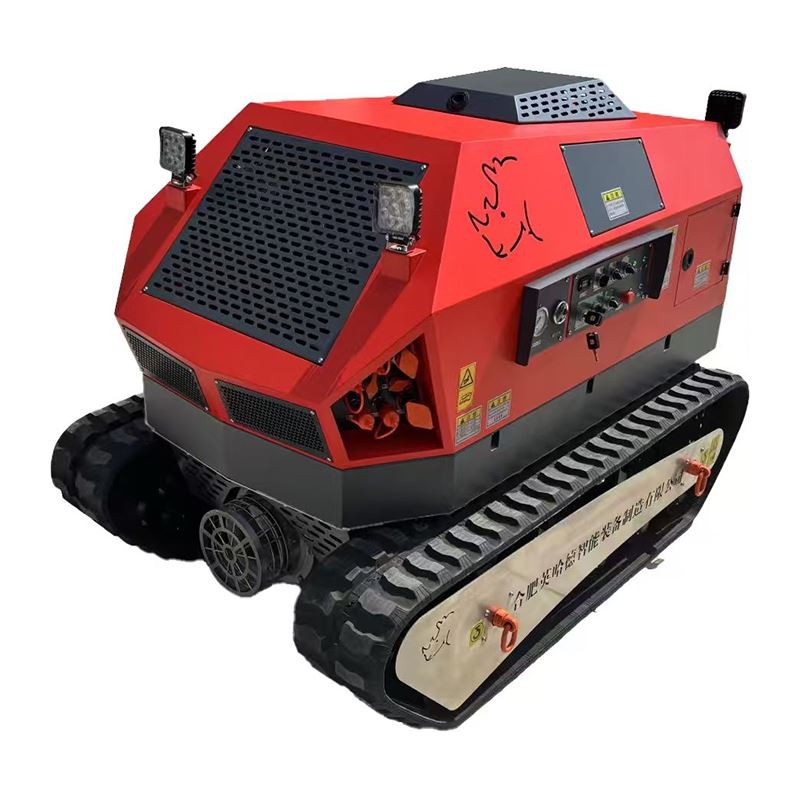
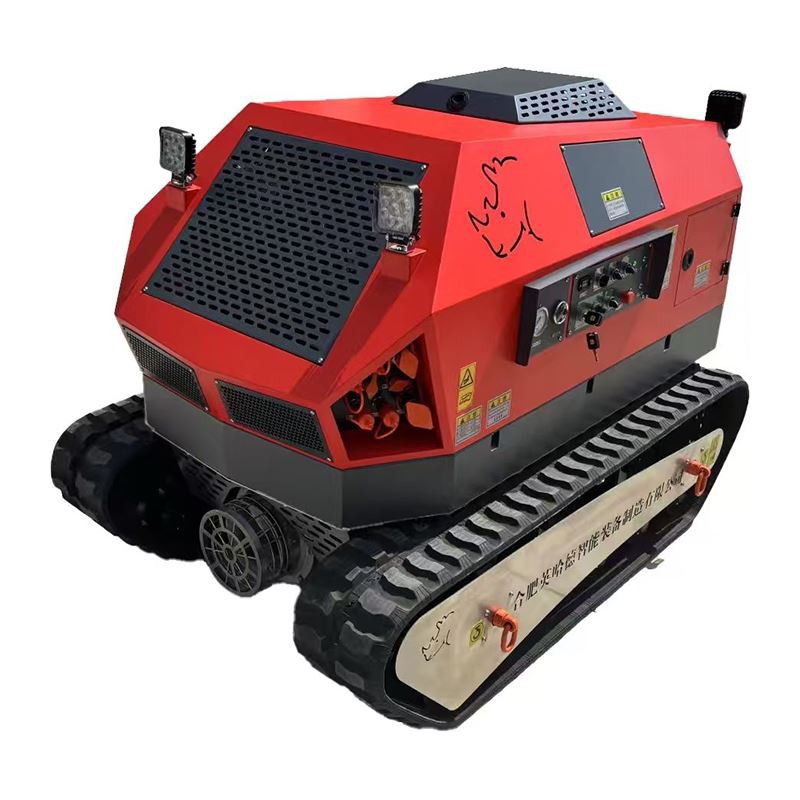
One of the key features of our robots is their ability to collect data. They're equipped with a variety of sensors that can measure things like water temperature, salinity, pH levels, and dissolved oxygen. These measurements are essential for understanding the health of the coral reef and detecting changes over time. For example, a sudden drop in water temperature could indicate a cold water upwelling, which can have a significant impact on the coral. By collecting this data on a regular basis, we can track these changes and take action to protect the reef.
In addition to collecting environmental data, our robots can also be used to monitor the coral itself. They're equipped with high-resolution cameras that can capture detailed images of the coral. These images can be used to identify different species of coral, assess their health, and detect any signs of disease or damage. For example, if a particular area of the reef shows signs of bleaching, our robots can quickly identify the problem and alert scientists or conservationists.
Another advantage of using our amphibious robots for coral reef monitoring is their mobility. They can move around the reef at a relatively fast pace, covering a large area in a short amount of time. This is much more efficient than traditional monitoring methods, which often involve sending divers out to collect data. Divers can only cover a limited area in a single dive, and they're also limited by factors like air supply and water conditions. Our robots, on the other hand, can operate for extended periods of time and can cover a much larger area.
But it's not just about data collection and mobility. Our robots are also designed to be durable and reliable. They're built to withstand the harsh conditions of the marine environment, including strong currents, waves, and saltwater corrosion. This means that they can be deployed for long periods of time without needing frequent maintenance or repairs.
Now, let's talk about some of the challenges that we might face when using our robots for coral reef monitoring. One of the biggest challenges is the complexity of the coral reef environment. Coral reefs are incredibly diverse and dynamic ecosystems, with a wide variety of different species and habitats. This means that our robots need to be able to adapt to different conditions and navigate through complex underwater terrain.
Another challenge is the need for accurate data analysis. The data collected by our robots is only useful if it can be analyzed and interpreted correctly. This requires a team of experts who are familiar with the coral reef ecosystem and the data collection methods. We're working on developing software and algorithms that can help us analyze the data more efficiently and accurately, but this is still an area that requires a lot of research and development.
Despite these challenges, I'm confident that our Amphibious Special Duty Robots have a lot of potential for coral reef monitoring. They offer a cost-effective and efficient way to collect data on the health of the coral reef, and they can help us take action to protect these important ecosystems.
If you're interested in learning more about our Amphibious Special Duty Robots and how they can be used for coral reef monitoring, please don't hesitate to get in touch. We also have other types of robots that might be useful for different applications. For example, we have a Diesel-Powered Drainage Robot that's designed for drainage tasks, a Drainage Robot for general drainage needs, and a Lithium-Battery-Powered Intelligent Drainage Robot that offers advanced features.
We're always looking for new partners and customers who are interested in using our robots for innovative applications. Whether you're a scientist, a conservationist, or a government agency, we believe that our robots can make a difference in the way we monitor and protect our natural environment. So, if you're interested in discussing a potential purchase or partnership, just reach out to us. We're excited to work with you!
References
- Hughes, T. P., et al. "Global warming and recurrent mass bleaching of corals." Nature 543.7645 (2017): 373-377.
- Knowlton, N., and J. A. Jackson. "Shifting baselines, local impacts, and global change on coral reefs." PLoS biology 4.5 (2006): e125.
- Pandolfi, J. M., et al. "Global trajectories of the long-term decline of coral reef ecosystems." Science 301.5635 (2003): 955-958.


