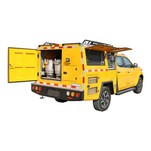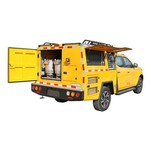

In the realm of industrial equipment, gasoline-powered hydraulic power units serve as portable power sources and are widely utilized across diverse settings, including construction, rescue operations, and agriculture. By employing a gasoline engine to drive a hydraulic pump, these units convert mechanical energy into hydraulic energy, thereby providing a stable power supply for hydraulic tools. As market demand continues to grow, manufacturers specializing in the wholesale of gasoline hydraulic power units have increasingly become a focal point of industry attention. This article offers a systematic analysis of the core value of this equipment, examining it through four key dimensions: technical principles, selection criteria, application scenarios, and industry trends.
Technical Principles: The Core Logic of Power Conversion
At its core, a gasoline hydraulic power unit consists of a gasoline engine, a hydraulic pump, an oil tank, and a control system. Its operating principle can be broken down into three distinct steps: 1. Power Input: The gasoline engine combusts fuel to generate rotational power; 2. Hydraulic Conversion: The hydraulic pump converts this rotational motion into pressure energy within the hydraulic fluid; 3. Power Output: The high-pressure hydraulic fluid drives hydraulic tools (such as hydraulic breakers or cutters) to perform their designated tasks. Throughout this process, the engine power, hydraulic pump displacement, and system pressure directly determine the overall performance of the equipment. For instance, a 5kW gasoline engine paired with a 10cc/rev hydraulic pump can generate a system pressure of approximately 7 MPa, thereby satisfying the power requirements of small to medium-sized tools.
Selection Criteria: Avoiding the "Three Major Pitfalls"
When making wholesale purchases, particular attention should be paid to the following parameters: 1. Power Matching: Select an engine power output that corresponds to the specific requirements of the tools being used; this prevents the inefficiency or equipment damage that results from "underpowering"-attempting to drive heavy loads with insufficient power. For example, to drive a hydraulic cutter requiring a pressure of 6 MPa, it is recommended to select a power unit with an output of 4 kW or higher; 2. Portability Design: For mobile applications, priority must be given to the equipment's weight and dimensions. Currently, the majority of mainstream products on the market fall within the 30–80 kg weight range, though some manufacturers have successfully reduced the weight to under 25 kg by optimizing structural designs (e.g., incorporating integrated oil tanks); 3. Maintenance Costs: Pay close attention to the requirements regarding hydraulic fluid cleanliness and the replacement cycles for filter elements. High-quality power units typically feature independent cooling systems, which can extend the service life of the hydraulic fluid to over 500 hours, thereby reducing long-term operating costs.
Application Scenarios: From Emergency Rescue to Industrial Production
The versatility of gasoline-powered hydraulic power units makes them a "power hub" across multiple sectors: 1. Emergency Rescue: At disaster sites involving earthquakes, structural collapses, and similar events, they can rapidly supply power to hydraulic spreaders and shoring equipment, thereby securing critical "golden hours" for rescue operations; 2. Construction: When paired with concrete breakers and rebar cutters, they facilitate the demolition of old structures with an efficiency improvement of over 30% compared to electric-powered equipment; 3. Agricultural Machinery: They drive hydraulic lift platforms and silage balers, effectively resolving the challenge of power supply in remote areas lacking access to the electrical grid. According to industry statistics, procurement volume within the agricultural sector saw a year-on-year increase of 22% in 2023, emerging as a new growth driver for the market.
Industry Trends: Technological Upgrades Drive Market Transformation
Currently, hydraulic power unit technology is evolving in three key directions: 1. Energy Efficiency: The adoption of Electronic Fuel Injection (EFI) technology-replacing traditional carburetors-reduces fuel consumption by 15% to 20%; 2. Intelligence: The integration of pressure sensors and automatic shut-off functions ensures that the equipment enters a self-protection mode whenever system pressure becomes abnormal or oil temperature rises excessively; 3. Modularity: The engine, hydraulic pump, and oil tank feature a quick-release design, allowing users to swap out power modules of varying capacities according to their specific needs, thereby extending the equipment's overall service life. These innovations are driving a shift in the wholesale market from "price competition" toward "value competition."
For buyers, selecting a wholesale manufacturer for gasoline-powered hydraulic power units requires a comprehensive assessment of their technical capabilities, production scale, and after-sales service capacity. It is recommended to prioritize an evaluation of the manufacturer's experience in hydraulic system design (e.g., whether they possess independent R&D capabilities for pumps and valves) as well as their quality control system (e.g., whether they hold ISO 9001 certification). Additionally, buyers may request load test reports for the equipment to verify its stability and reliability under actual operating conditions. By mastering these key points, buyers can successfully achieve their procurement objectives of "low cost and high efficiency."